Table of Contents
During prolonged direct exposure (PE) a person is gradually exposed to their trauma-related memories, fears, emotions, and feelings regarding the event(s) to discover that these are no more harmful or need to be avoided. Individuals generally consult with a specialist once a week for three to 4 months. PE is highly advised by the American Psychological Association as a first-line treatment for PTSD.
CPT is thought about a first-line intervention for PTSD and is strongly advised by the APA. Cognitive behavior modification (CBT) concentrates on thoughts, feelings, and habits, and the partnership in between them. A trauma-focused therapist might aid a customer recognize just how they are thinking of their injury and just how to move it right into more valuable thinking.
This therapy is strongly suggested by the APA for the treatment of PTSD. Trauma-focused cognitive behavioral therapy (TF-CBT) attends to the mental health and wellness requirements of adults experiencing the destructive impacts of early injury. The treatment is particularly sensitive to the one-of-a-kind troubles of young people with post-traumatic stress and state of mind problems resulting from sexual assault, along with from physical abuse, violence, or pain.
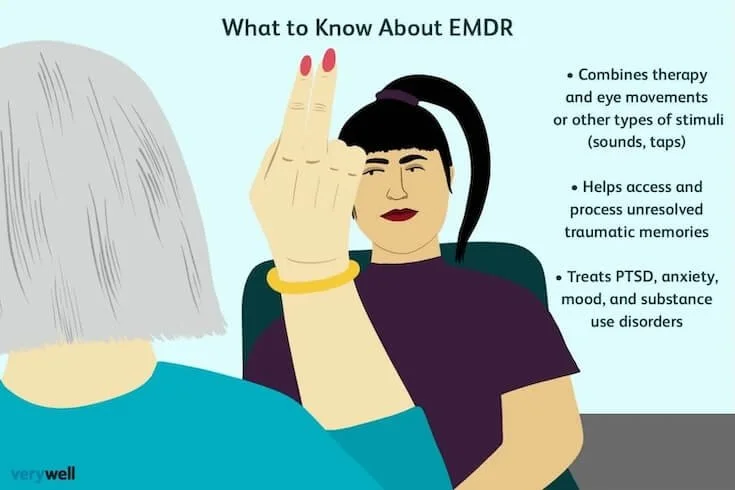
Eye activity desensitization and reprocessing (EMDR) was established as a therapy for PTSD. It involves refining the memory and the means it is kept in the brain, which lowers troublesome triggers and symptoms. Throughout this treatment, various techniques of reciprocal simulations can be utilized to concentrate on memories of the injury.
Questions to Ask When Choosing a Counselor
Written exposure therapy (DAMP) is a brief, evidence-based behavioral psychotherapy in which people are gradually exposed. While in typical direct exposure therapy, the individual is revealed to the worry item or experience, in created direct exposure treatment, the person will writer concerning the trauma memory. In a series of 5 short (50 to 60-minute) sessions, the individual will certainly compose in detail concerning the thoughts and emotions they contended the moment of the event.
These can be particularly supportive when you're concentrated on recovery from trauma while in a connection, as they assist you regulate feelings and develop much safer links. Below are some complementary and alternative treatments that might likewise be helpful for individuals with injury: techniques combine cognitive treatments with somatic techniques that affect the human bio-energy systems such as meridians, chakras and the biofield to elevate physical, psychological, emotional and spiritual wellbeing.
Yes, unresolved injury can create anxiety and several other negative impacts on a person's behavioral, emotional, psychological, and physical wellness. To aid take care of these impacts, a lot of undertake trauma therapy treatment.
Unresolved injury in grownups might be the result of various events, including sorrow, automobile crashes, physical misuse, sexual assault, and spoken misuse. Those circumstances might not even be happening to them. In some cases, even merely seeing occasions take place to somebody else can be stressful. Unresolved trauma and connections do not meshed well.
Returning to Genuine Needs
The factor specialist injury therapy treatment is often necessary is that people may not even know they have unsolved trauma. Lots of adults are typically stunned by the reasons for their trauma uncovered in specialist therapy. Whatever the cause, trauma therapy treatment for unresolved injury can help you refine the hard experience and change the unfavorable ideas and actions patterns that might be strengthening your unfavorable feelings.
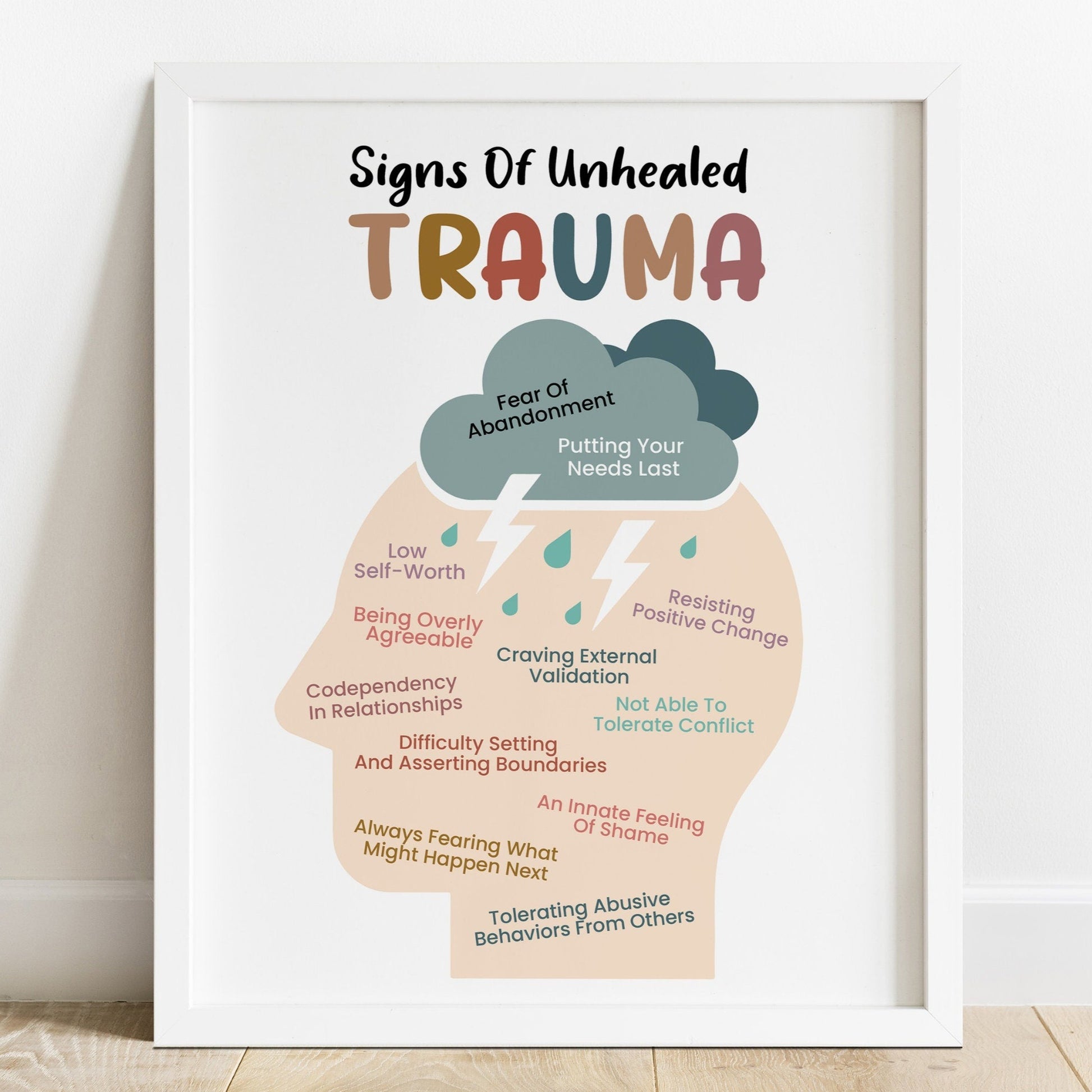
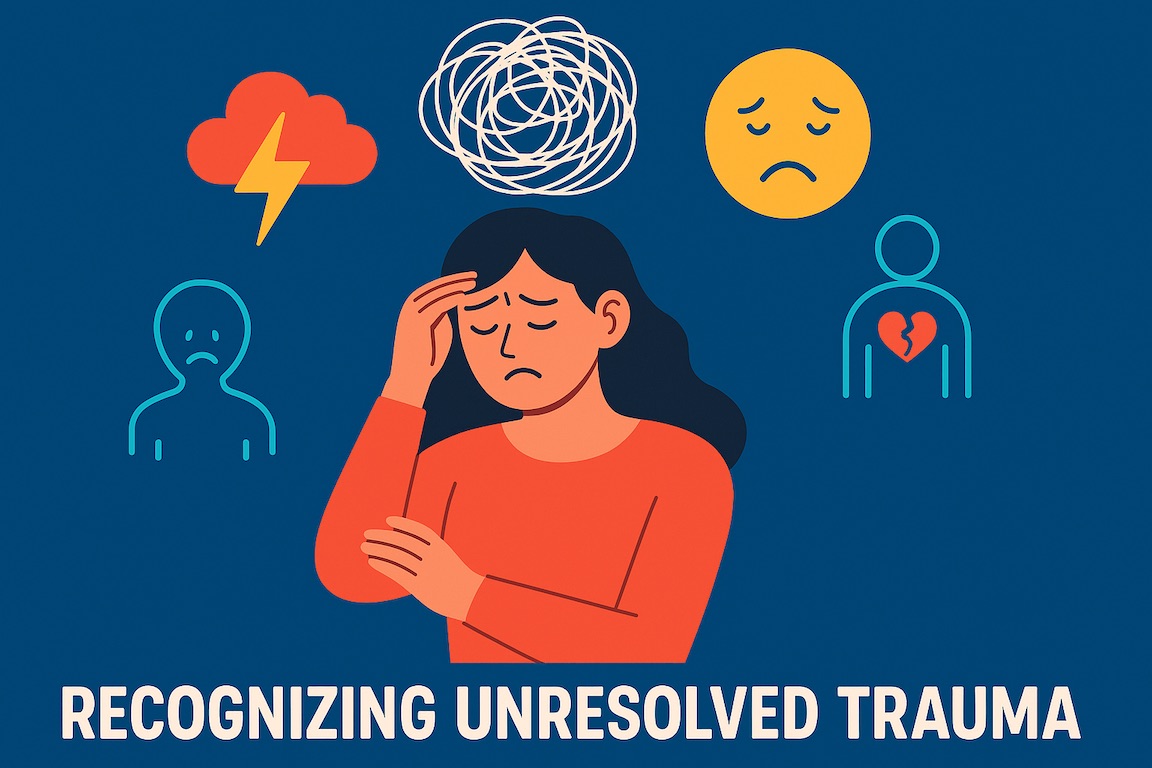
Several unsolved trauma symptoms are undetectable, and you may not recognize that a person is dealing with it unless they directly confide in you regarding it. However, you might enjoy out for some usual signs of dealing with the impacts of unresolved injury. These signs include the following: Avoidance or anxiety of emotions, items, people, or areas that might be connected to a stressful experience Bouts of anxiousness or panic assaults because of common scenarios Modifications in sleeping pattern Persistent or recurring clinical depression Dissociation in situations and conversations Sensations of badness, embarassment, insignificance, or unimportance Sensations of detachment, isolation, and isolation Flashbacks, problems, and memories concerning the stressful experience Hypervigilance Self-harm and self-mutilation Suicidal thoughts or attempts Compound abuse or consuming conditions in an effort to numb adverse emotions Unmanageable rage If you or a person you respect is experiencing any among these especially if it's happening frequently and is conflicting with your every day life it's time to seek specialist help.
Many customers obtain confessed into a trauma therapy treatment program due to the fact that they want to take care of unsolved trauma and enhance connections. Their close relationships may have been harmed by the method they've been handling their trauma without professional help. While they will certainly see an improvement in their relationships, this adjustment may require time and not take place today.
Moving Beyond Traditional CBT-Based Methods
Often, it turns up in subtle, peaceful methods that shape exactly how you think, feel, and connect to the globe. When injury is unsettled, it suggests the body and mind haven't completely integrated or processed what occurred. You may not also keep in mind the event clearlyor consider it as "that negative"yet your nerves still reacts as if the threat is recurring.
Unresolved trauma can press you outside this windowinto (stress and anxiety, rage, hypervigilance) or (tingling, closure, tiredness). The injury may be in the past, but your body and mind may still be supporting for effect. You might assume: "I understand this individual respects me, however I keep waiting on them to leave."Or: "I'm secure currently, but I still seem like I'm walking on eggshells." Not everybody experiences trauma the same means.

Navigation
Latest Posts
Embodied Trauma in Ancestral Pain Through Parts Work Therapy
Deep Bonding Repair via Couples Eating Disorder
Regulation Through Body-Centered Approaches